Welcome to the Deep Sea Explorer! Scroll down to begin your journey into the depths of the ocean.
The Sunlight Zone
The Sunlight Zone (Epipelagic) extends from the surface to about 200 meters deep. It's where photosynthesis occurs and contains 90% of all marine life.
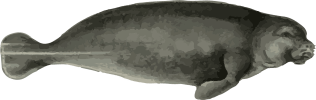
Manatee

Bottlenose Dolphin
Bottlenose dolphins can dive to depths of 250 meters, but typically stay in the upper layers of the ocean.
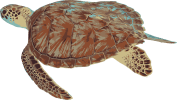
Green Sea Turtle

Beluga Whale
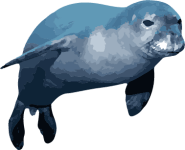
Sea Lion

Clown Fish

Blue Tang
As we approach 200 meters deep, less than 1% of sunlight remains. Below this depth, we enter the Twilight Zone, where light gradually fades to darkness.
The Twilight Zone
The Twilight Zone (Mesopelagic) extends from 200 to 1,000 meters. Light fades until complete darkness. Many organisms here are bioluminescent, producing their own light.
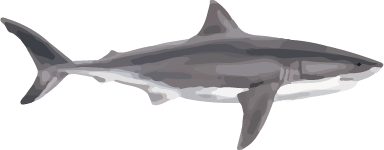
Great White Shark
Great white sharks can dive to depths of 1,000 meters, though they typically hunt closer to the surface.
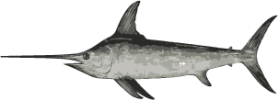
Swordfish
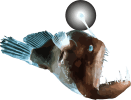
Anglerfish
Anglerfish use a bioluminescent lure attached to their head to attract prey in the darkness of the deep sea.

Viperfish

Sperm Whale
Sperm whales are the deepest diving mammal, able to reach depths of up to 3,000 meters and hold their breath for up to 90 minutes.
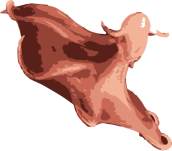
Vampire Squid
The Midnight Zone
The Midnight Zone (Bathypelagic) extends from 1,000 to 4,000 meters. No sunlight penetrates here, and the only light comes from bioluminescent organisms.

Giant Isopod
Giant isopods can go years without eating. One specimen in captivity went five years without eating!

Gulper Eel

Colossal Squid
The colossal squid is the largest known squid species. They can reach lengths of up to 10 meters and weigh up to 700 kg.
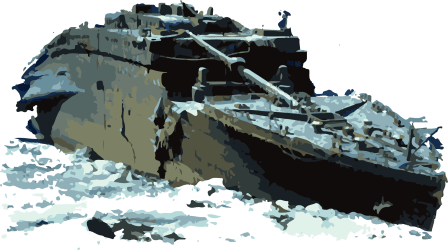
Titanic Wreckage
The Titanic sank to its final resting place at a depth of approximately 3,800 meters (12,500 feet) in the North Atlantic Ocean.

Dumbo Octopus
The Dumbo octopus gets its name from the ear-like fins that resemble Disney's Dumbo the elephant. It lives at depths of 3,000 to 4,000 meters and is one of the deepest-living octopus species.
The Abyssal Zone
The Abyssal Zone extends from 4,000 to 6,000 meters. Water pressure here is immense - over 400 times that at the surface. Temperatures hover just above freezing, and food is extremely scarce.
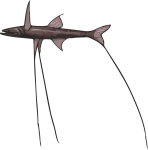
Tripod Fish

Sea Pig
Sea pigs are deep-sea sea cucumbers that walk along the ocean floor on leg-like appendages. They feed on organic particles in the deep-sea mud.
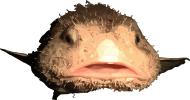
Blobfish
The blobfish looks very different in its natural habitat. The extreme pressure at depth keeps its body shaped normally. When brought to the surface, the sudden pressure change distorts its appearance into the "blob" we recognize.

USS Johnston Shipwreck
The USS Johnston sank during World War II and was discovered in 2021 at a depth of 6,220 meters (20,400 feet), making it the deepest shipwreck ever found.
The Hadal Zone
The Hadal Zone is the deepest region of the ocean, found primarily in deep ocean trenches. The pressure here exceeds 1,100 times that at the surface, and temperatures are just above freezing.

Hadal Snailfish
The Hadal Snailfish is one of the deepest-living fish species, found at depths of up to 8,000 meters in deep ocean trenches.
More people have been to the moon than have visited the Hadal Zone.

Hadal Amphipod
On January 23, 1960, Jacques Piccard and Don Walsh became the first humans to reach the deepest point in the ocean, the Challenger Deep in the Mariana Trench, aboard the bathyscaphe Trieste.
The Challenger Deep
The Challenger Deep in the Mariana Trench is the deepest known point in Earth's oceans, at approximately 10,935 meters (35,876 feet) deep.
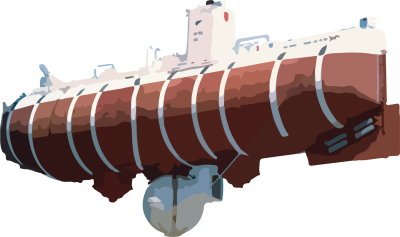
Submarine Trieste
The pressure at the bottom of the Challenger Deep is over 1,000 times that at sea level - equivalent to having 50 jumbo jets stacked on top of you.
In 2012, film director James Cameron made a solo descent to the Challenger Deep in the submersible Deepsea Challenger, becoming only the third person ever to reach the bottom.
You've reached the bottom of the ocean!
Thank you for exploring the deep sea with us.
Thank you for exploring the deep sea with us.